


The Sacrament, written and directed by Ti West, is many things: a dramatized retelling of the 1978 Jonestown massacre; a pseudo-VICE segment; and a cautionary tale on the dangers of blind faith. Released in the middle of the Hollywood found footage boom, The Sacrament manages to stand out, expertly employing the often unwieldy format. Merging real events with innovative visual storytelling, the film transcends its individual parts, coming together to deliver one of the most unique not-quite-mockumentaries ever crafted.
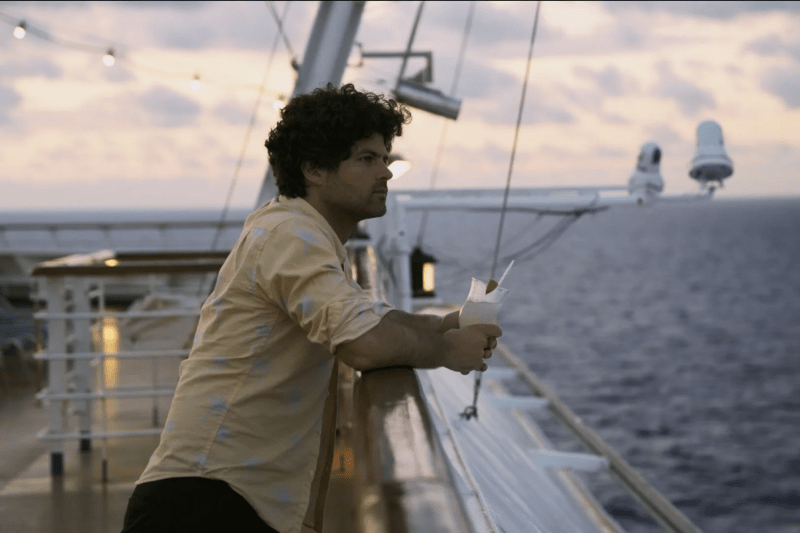
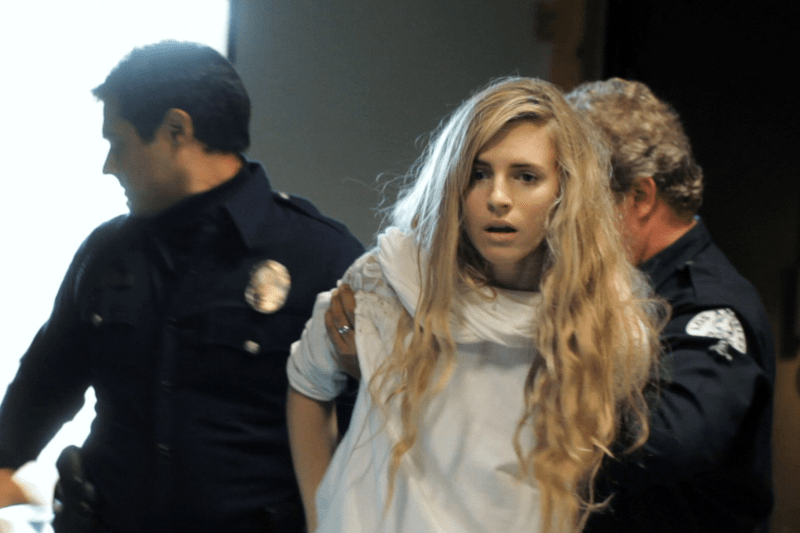
The Sacrament follows VICE reporters Sam (A. J. Bowen) and Jake (Joe Swanberg) as they set off in search of Patrick’s (Kentucker Audley) estranged sister, Caroline (Amy Seimetz). Caroline is a troubled young woman living in the remote religious commune of Eden Parish. The group is off-grid, drug-free, and perfect fodder for the edgy news outlet. Meanwhile, Patrick’s sister — an affluent white woman with a history of addiction — seems like an ideal subject. Sure, flying off into the jungle with no ground support or real research sounds like a bad idea. But this is the VICE crew—they’re used to dangerous situations.
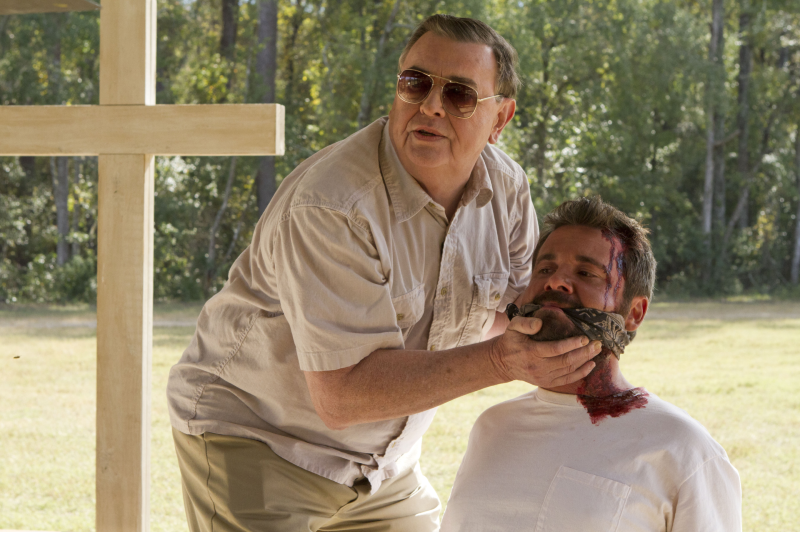
And at first the commune is exactly what they’d expected, with Sam and Jake encountering the subtly eerie yet confusingly idyllic vibe you’d expect to find in a cult. People seem happy, but there’s something going on beneath the surface. By the time we meet the group’s leader, the enigmatic Father (Gene Jones), the ambiguity of the situation has mostly dissolved—something is definitely wrong at Eden Parish.
To say The Sacrament is inspired by the incident at Jonestown truly undersells how much of the plot mirrors the real-life events. In 1968, in order to quell rising fears that he was running a cult, religious leader Jim Jones welcomed U.S. Congressman Leo Ryan and a news crew into his settlement in Guyana. As the visit progressed, members began approaching the crew, asking to leave. In a paranoid panic, Jones implemented his escape plan — forcibly poisoning his entire flock via cups of Kool-Aid. Chillingly, all of this was caught on tape, the actual footage featured in the 2006 PBS documentary Jonestown: The Life and Death of Peoples Temple. While The Sacrament’s personal stories and small details are its own, the beats are essentially the same.
The film tows a strange line, presenting the modern “reenactment” like its own made-up story, never even hinting at Jim Jones or the Peoples Temple. And while there are likely many reasons for it — including legal — it feels… weird. Like a massive part of the story is missing, the remaining elements rebranded as something else. The inclusion of the VICE News name and logo further muddy the waters, leaving the fake Jonestown feeling much more real than it has any right to. But while the reclamation of the subject matter is admittedly frustrating, essentially erasing the real events and repackaging them as fiction, it effectively breathes new life into the news story, keeping it alive. Without much altering, the incident at Jonestown remains horrific enough — even to modern sensibilities — to turn into a movie.
The Sacrament is able to offer a clean entry point, and much-needed context, for an important snippet of history. The massacre may have only taken a morning, but Jim Jones spent decades grooming his flock. The Sacrament delivers a sped-up version of events that position Father as the clear villain, the parish merely victims of his machinations. In the film, it’s clear the residents of Eden Parish are murdered – an important distinction, especially when considering that the events at Jonestown have been framed as a “mass suicide” as opposed to mass murder. For an event that has been mostly reduced to jokes about Kool-Aid, the film’s immersion makes dispassionate detachment impossible, hitting harder than most 40-year-old news stories could.
The film’s overall effectiveness is enhanced by its embrace of the found footage format. Considering an actual film crew was on-site as the massacre at Jonestown unfolded, it’s a pretty genius application of the filming style; the best way to tell the story is how the story actually happened. It’s an added layer of accuracy that only amps up the tension and underscores Father’s erratic behavior. West’s inspired use of director Joe Swanberg as a cameraman results in above-average camerawork that’s both unsettling and immersive. While the story could’ve easily been told in a more traditional narrative, the VICE News framing and handheld camera work add to the authenticity.
It’s difficult to view The Sacrament as a standalone piece of media, especially because it’s most effective when paired with knowledge of the actual Jonestown massacre. Without the additional context, the fictional commune’s actions can appear out-of-nowhere or unbelievably extreme. Mass murders? Because a few people want to leave? And yet that’s exactly what happened in 1978 at the Peoples Temple in Guyana. A man who’d ruled his people with an iron fist and lied about his proximity to God murdered 909 people. Because he felt his grip loosening.
Toward the end of the film, once most of the Eden Parish residents are dead, a man stumbles into view. Foaming at the mouth, he tells the crew his family is dead. He begs them not to leave. His final words are laced with fear as he repeatedly asks, “Are they going to heaven?” It’s easy to imagine the Jonestown victims wondering the same. And that’s the true strength of The Sacrament: its ability to transform past tragedies into a modern found footage film that successfully elicits empathy for the victims and vitriol for the perpetrator. It’s a little nibble of history that, hopefully, inspires curiosity. Because as we know, those who forget that past are destined to repeat it, and we certainly don’t want anyone falling under the thrall of an untrustworthy leader that demands cult-like adoration.