


In a decade marked by the rise of international horror, writer-director Zak Hilditch’s These Final Hours still stands out. Hilditch’s film, which follows a broken-hearted man and his unexpected ward at the end of the world, was a gentle elegy in the guise of ambitious post-apocalyptic cinema. Now, years later, Hilditch is returning to familiar territory with We Bury the Dead, another apocalyptic road movie about atonement and acceptance at the end of the world. But even with a bigger budget and a bit more starpower, Hilditch’s latest fails to meet the moment in a genre increasingly dominated by post-pandemic allegories for survivor’s guilt.
After the United States botches a weapons test off the coast of Tasmania, the island’s entire population dies in an instant – some in the ensuing blast, others in the experimental pulse wave that shuts down the brains of the survivors. Given the sheer scope of the tragedy, Australian leadership puts out a call for aid workers, with people flying in from around the world to help recover bodies. And so Ava (Daisy Ridley), a physical therapist from America, arrives with an ulterior motive: she hopes to find her husband among the deceased on the southern coastline.
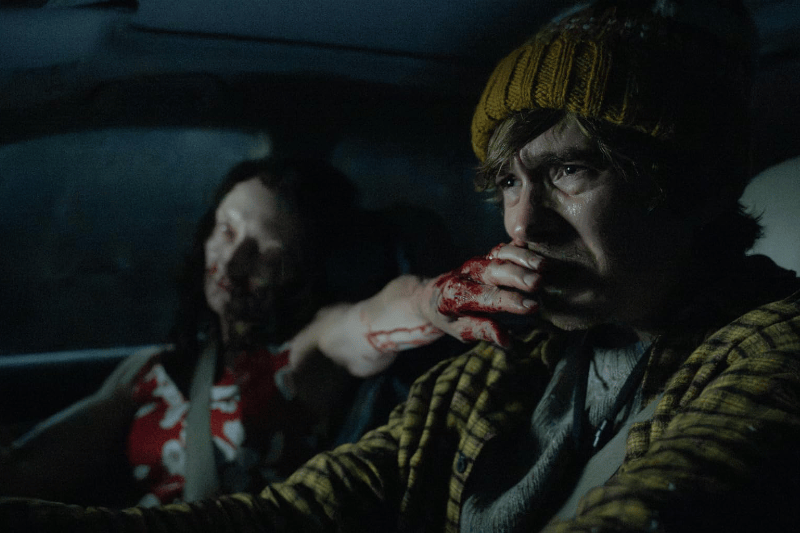
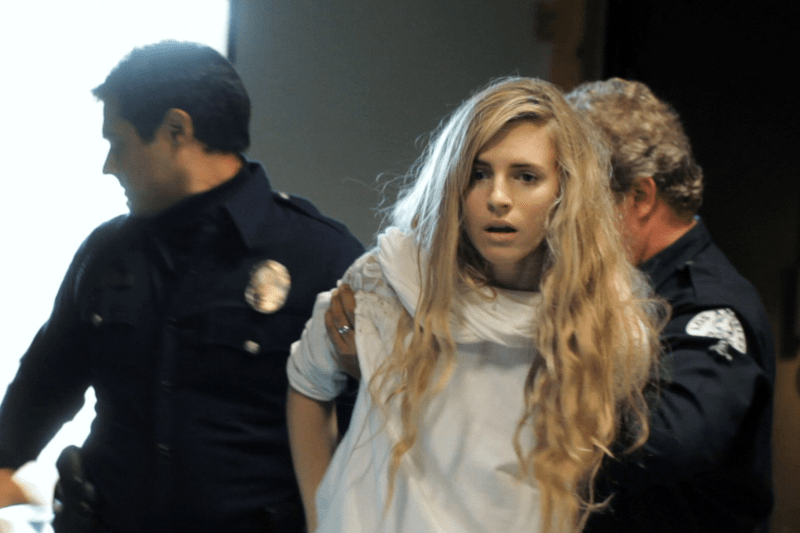
The job for the aid workers is simple: break into houses, neighborhood by neighborhood, and remove the bodies for identification and burial. But this job also comes with a warning. As days turn into weeks following the accident, some of the dead mysteriously revive into mindless and aggressive zombies. In the face of slow-moving but not overly dangerous undead, the military tells the aid workers to take a shoot-on-sight approach. But with the help of the thrill-seeking aid worker Clay (Brenton Thwaites), Ava decides to brave an unknown number of these undead in search of her husband’s last known location.
One of the highlights of any movie is when you recognize the filmmakers avoiding the path of least resistance. We Bury the Dead opens to the beginning notes of “Pursuit of Happiness (Nightmare),” which gently fades into background music as we meet Ava and her late-husband Mitch (Matt Whelan) on the dance floor in happier times. But rather than transition to generic post-apocalyptic ambience, or even a slowed down version of the opening song, composer Clark uses the same three chords from Kid Cudi’s track as the anchor for his original score. It’s a small thing, but it’s a moment of turning the familiar into something new – a promise of transformation that creates hope for the film as a whole.
And for the first half-hour, that promise of transformation is met. We Bury the Dead blends suburbia with apocalypse to incredible effect, showing Ava and company picking their way through brightly lit neighborhoods against a cataclysm of smoke on the skyline. The nature of the disaster means that people shut off without warning, and each recovery crew struggles to unload the bodies where they fell – surrounded by family, alone in bed, or in any number of active positions. Much like his work in These Final Hours, Hilditch is adept at creating desolation at a frightening scale, and We Bury the Dead hits the human element by having Ava’s partners come and go as they struggle to cope with hours and hours of endless death.
There’s so much potential to be found in these opening minutes. People have come from around the world to pitch in; Ava herself has traveled from America, setting herself up for a confrontation with residents that never comes to fruition. We are treated to uneasy interaction between the military and the civilian workforce, and We Bury the Dead also depicts what the workers do when they’re back at the base – a dangerous cocktail of alcohol, drugs, and sex that serve as a celebration of life and a numbing towards death in equal measure.
Over the course of the film, Hilditch and cinematographer Steve Annis also frequently return to an overhead shot to capture their characters’ journey. We see Ava moving her way between smoking cars on the highway, or threading the space between ocean and shore. In one of the film’s more memorable sequences, We Bury the Dead frames a desperate fight between Ava and one of the revived through the windows of an overturned bus. And rather than distance us from the emotional stakes of the film, these floating viewpoints drive home the sheer scope of the tragedy. This happened everywhere, to everyone, all at once.
But slowly, frustratingly, the potential of Hilditch’s film cannot be sustained. Once Ava makes the decision to head out in search of her husband, We Bury the Dead devolves into a kind of macabre road movie, where the characters Ava encounters are defined by their uninspiringly grotesque relationships to the revived. These are the kind of horror beats meant to provoke, but also ones we’ve seen before in films far less polished than Hilditch’s latest. Before long, We Bury the Dead is caught in an uneven space between an examination of recovery and a slew of 2010s zombie tropes that have come and gone.
And that’s where We Bury the Dead falters. Hilditch presents us with a world of almost unknowable horrors, but zooming all the way in on a single survivor’s narrative – especially that of an American – makes the story feel small. Unlike These Final Hours, which found real poignance in the struggles of two people, We Bury the Dead slowly descends into another tired parable about the fulfillment of motherhood. And in doing so, it becomes the rare film to feel less intimate the closer we get to the characters. To paraphrase a better film: the problems of these two little people really don’t amount to a hill of beans in this crazy world. [2.5/5]